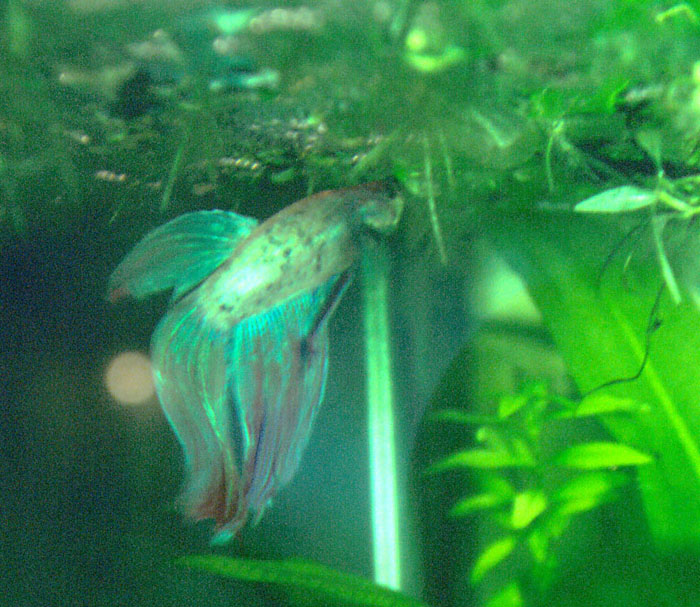
Aquarium setup
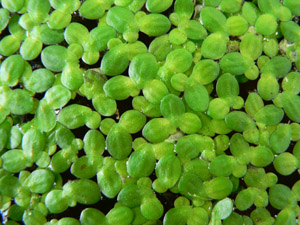
Picture from Wikimedia Commons
Decoration
Labyrinth fish are generally happy in shallow water with floating plants where they can build their nests.
They prefer shallow water. 15 cm is ideal if you want the fish to spawn, but they do just fine in deeper aquariums.
Bettas like vegetation. They thrive among floating plants or other plants that break the water surface.
Lighting
Bettas do not need a lit aquarium, but it is beneficial to have light to see the fish and to keep the plants alive. Rather than turning the light on and off at random times, use a timer or smart plug. The fish are less stressed when they get a predictable circadian rhythm, and the plants thrive better. It is best not to exceed twelve hours of light a day.
Heating
The aquarium needs artificial heating unless it is kept in a room with a consistently high temperature. The easiest way to heat the aquarium water is with a thermostatically controlled heater for €20-30 from your local pet store. The best temperature for bettas is between 25 and 28 degrees.
Thermometer
When you want to heat the water, it is also sensible to buy a thermometer. There are quite a few choices here.
You can usually get classic aquarium thermometers with mercury/alcohol for very little at your local fish shop.
You can also use an electronic indoor/outdoor thermometer that has a sensor on a wire. Just make sure that there are no residues of glue or double-sided tape on what is going into the water, and that the sensor is made of a neutral material that can withstand being in water for a long time. Stainless steel is usually a good sign.
Some aquarists report that water penetrates the sensor of these thermometers after a while, and they then become very inaccurate. I have never experienced this myself. Many of these thermometers record maximum and minimum temperatures, which can be useful if you suspect that the aquarium temperature is unstable.
If you want accurate readings, you should place the thermometer/sensor at a good distance from the heater, preferably at the opposite end of the aquarium.
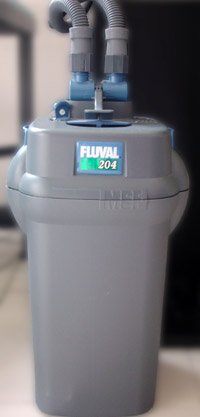
Picture from Wikimedia Commons
In recent years, a type of thermometer that measures infrared radiation has also come on the market. These may resemble a gun: point one at the aquarium and pull the trigger. The thermometer measures the water temperature at a distance of up to several meters and you can read it on a display. These thermometers are not super-accurate, but are practical if you have many aquariums or want to measure the temperature of different things.
Filter
Even in aquariums where you will keep only bettas, it is advisable to install a pump-driven filter. Without one, you have to change the water all at once. The filter is sized according to the size of the aquarium. The capacity is usually stated on the packaging, in liters per hour, and/or in aquarium size.
Bear in mind that filter manufacturers tend to overstate these ratings. If it says that the filter can handle up to 250 litres, it will probably fit best in a 100- or 150-litre aquarium. As with the aquarium itself, it is also better to buy too big than too small.
Fry places extra high demands on water quality.
Substrate
Bettas care little about the substrate, but most fish feel safer with dark gravel or sand and a background. The substrate should be lime-free and free of contamination. It can be bought at a pet shop and should be rinsed before being added to the aquarium.
Bettas are naturally adapted to soft substrates (mud).
So-called sterile fry aquariums use a bare bottom (a "BB aquarium"). This is because a bare glass base is easy to keep clean.
Mirror
If you let the male betta look at itself in a mirror, it does not recognize itself. Instead, the fish perceives an intruder in its territory and tries to scare it away by flaring its gill covers and fins. This is not unhealthy for the betta as long as you only bring out the mirror occasionally, and limit this display to a few minutes at a time.
In some aquarium shops, and certainly with some aquarists, the mirror is always by the aquarium. This stresses out the betta, because it gets the feeling that there is an intruder that it cannot chase away. Therefore, use the mirror sparingly. There is no point in keeping the betta on the warpath all the time. Also, it puts on a better show if it thinks the intruder has just arrived and can be driven away. Do not leave the mirror permanently in or beside the aquarium; use it only occasionally to encourage the betta to display.